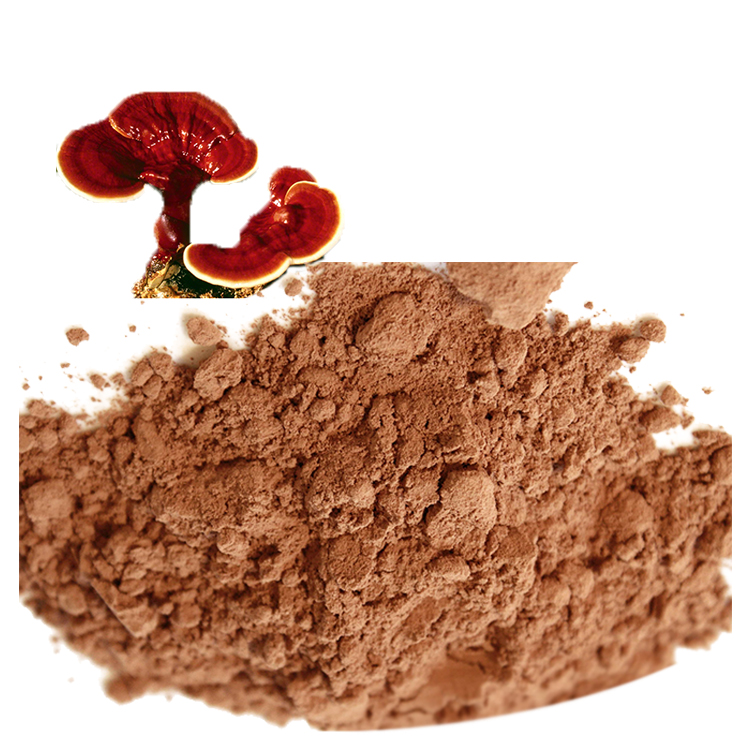
The use of herbal medicine has expanded rapidly in recent years, with Ganoderma extract—commonly known as Reishi mushroom—being among the most discussed supplements in both Eastern and Western medical communities. To understand the clinical perspective on Ganoderma extract, this article compiles insights from interviews with medical professionals in the fields of integrative medicine, oncology, immunology, and clinical nutrition. The purpose is to present an evidence-based, nuanced, and professional overview of how doctors perceive this ancient remedy in the modern age.
Clinical Background and History
Ganoderma, more formally known as Ganoderma lucidum or Lingzhi, has been used for centuries in traditional Chinese medicine (TCM) for its supposed immunomodulatory and longevity-promoting properties. In recent years, it has attracted global interest, leading to a surge in research and commercial supplement development. Western-trained doctors, however, often require more than historical reputation—they look for scientific evidence, standardized extracts, and clinical trials.
Doctors' Perspectives: Interviews and Professional Consensus
Dr. Lisa Chen, Integrative Medicine Specialist:
“In practice, I often see patients who wish to combine herbal remedies with conventional care. Ganoderma extract is one of the top supplements requested by those dealing with chronic conditions or those seeking immune support. From an evidence-based standpoint, I encourage my patients to review clinical data and understand that while there are promising immunomodulatory effects demonstrated in some studies, Ganoderma lucidum extract is not a replacement for evidence-based medical treatments. The ideal use is as a complementary agent, and only after ruling out contraindications such as allergies or possible interactions with anticoagulant medications.”
Dr. Alex Martin, Clinical Oncologist:
“The research on Ganoderma extract, specifically in oncology, is intriguing. Some preclinical trials and small-scale studies suggest anti-inflammatory and potential anti-tumor properties. However, the clinical evidence in human populations is not yet conclusive enough for oncologists to routinely recommend it as a standard adjunct therapy. I advise patients to approach Lingzhi extract with cautious optimism—potentially beneficial, but not a cure or proven preventive intervention. Physicians also need to be vigilant for patients self-medicating and avoiding conventional therapies.”
Dr. Emma Rowe, Immunologist:
“There is a legitimate scientific basis for some of the claims about Reishi mushroom extract’s impact on the immune system. Ganoderma contains various polysaccharides, triterpenoids, and other bioactive molecules that appear to influence immune cell behavior in vitro and in animal models. Nonetheless, translating these effects to real-world clinical outcomes remains a challenge. I always emphasize that immune supplements can interact with medications or underlying health conditions, and should be discussed openly with healthcare providers.”
Dr. Jonathan Lee, Clinical Nutritionist:
“Reishi supplements are often marketed as adaptogens and anti-stress agents. From a nutrition science perspective, I think their best use is in the context of an overall healthy lifestyle. I recommend evidence-based dosing, sourcing from reputable manufacturers, and tracking any changes in health status. For those considering supplements, I recommend starting with low doses and monitoring for gastrointestinal effects or allergic reactions.”
Current Research and Limitations
Doctors generally agree that Ganoderma extract holds promise, but research is still developing. Clinical trials are limited in scale, sometimes lack standardization in extract preparation, and are often focused on surrogate endpoints rather than hard clinical outcomes. Some studies suggest benefits in immune regulation, reduction of fatigue in cancer patients, and potential improvements in metabolic health markers, but these findings need confirmation in larger, well-controlled trials.
Doctors also note the variability between products—differences in extraction methods, purity, and dosage can significantly influence safety and efficacy. Most physicians recommend patients use only third-party tested, high-quality extracts and to avoid supplements that make exaggerated health claims.
Professional Recommendations
Open Patient-Doctor Dialogue: Physicians encourage patients to discuss any supplements, including Ganoderma extract, with their healthcare team.
Evidence-Based Use: Use should be based on existing evidence, understanding both the potential and the limitations.
Product Quality: Only use products that are well-sourced and have undergone quality assurance testing.
Integration with Care: Never substitute prescribed medical therapies with herbal supplements; consider them as part of a broader integrative health plan.
Monitor for Side Effects: Watch for gastrointestinal discomfort, allergic reactions, or possible drug interactions—particularly with blood thinners.
Conclusion
Doctors’ views on Ganoderma extract reflect a balance of historical respect and scientific skepticism. While some data support immunomodulatory and adaptogenic effects, Ganoderma lucidum extract is best used as a complementary approach, never as a primary treatment. Ongoing research and physician oversight are essential to realizing its potential benefits while minimizing risks.
Read More:
Key Considerations for Controlling Residual Solvents and Heavy Metals in Ganoderma Raw Materials
Why Global Wellness Brands Are Seeking Organic Mushroom Powder OEM Partners