Introduction
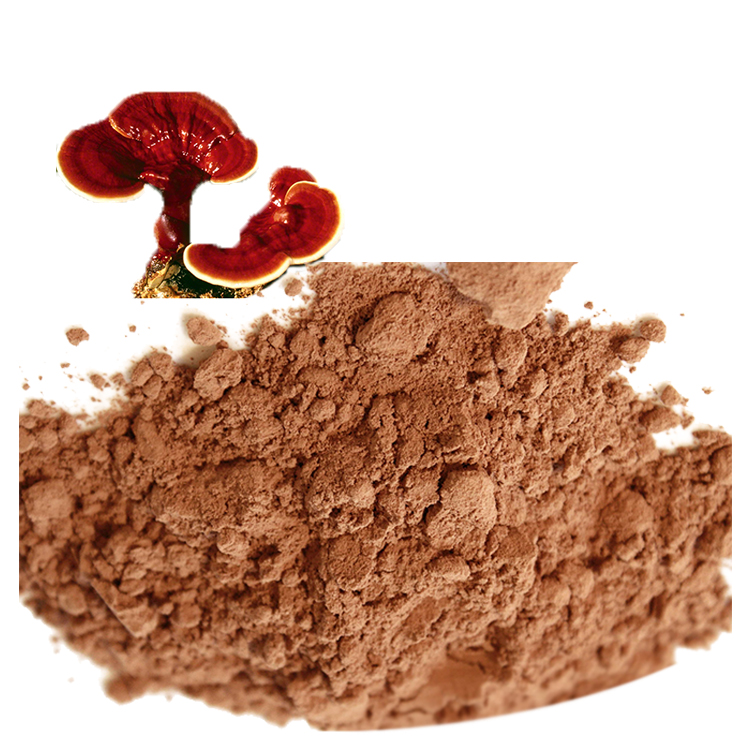
Ganoderma, commonly known as Lingzhi or Reishi, has been used in traditional medicine for centuries. With the increasing global demand for Ganoderma extracts, ensuring the quality and efficacy of products through proper packaging, transportation, and storage has become a top priority for manufacturers and distributors. This article provides a comprehensive overview of the critical factors that influence the stability of Ganoderma extract, Ganoderma lucidum extract, Lingzhi extract, and Reishi mushroom extract during these stages.
1. Packaging Requirements for Ganoderma Extracts
1.1 Packaging Materials
Effective packaging is essential to protect Ganoderma extracts from environmental hazards and contamination. Commonly used materials include high-barrier aluminum foil bags, food-grade plastic containers, glass bottles, and laminated pouches.
- Aluminum Foil Bags: Offer superior barrier against moisture, oxygen, and light, preventing oxidation and degradation of active ingredients.
- Plastic Containers: Lightweight, cost-effective, and suitable for large-scale packaging, provided they are made from BPA-free and food-grade materials.
- Glass Bottles: Non-reactive and impermeable, ideal for liquid or high-purity extracts but less preferred for large volumes due to fragility and weight.
1.2 Packaging Atmosphere
Modified atmosphere packaging (MAP) or vacuum packaging can further reduce oxidative stress and microbial growth. Inert gases like nitrogen are often used to displace oxygen and extend shelf life.
1.3 Labeling and Traceability
Each package should include clear labeling with product batch number, manufacturing and expiry dates, storage instructions, and certifications. QR codes or RFID tags enhance traceability and quality assurance.
2. Transportation Conditions
2.1 Temperature Control
Ganoderma extracts are sensitive to high temperatures, which can accelerate the degradation of polysaccharides and triterpenes.
- Recommended Range: 10°C–25°C for most extracts. Refrigerated transport is required for liquid or highly purified extracts.
2.2 Protection from Light and Moisture
Extracts must be shielded from direct sunlight and humidity. Packaging should be opaque and moisture-proof. During transport, use insulated containers or temperature- and humidity-controlled vehicles, especially for long-distance and international shipments.
2.3 Shock and Vibration
Physical impact can compromise packaging integrity and promote contamination. Proper cushioning and secure stacking reduce risks during loading, unloading, and transit.
2.4 Regulatory Compliance
International shipments must comply with food safety and import-export regulations, including certificates of analysis, safety data sheets, and customs declarations.
3. Storage Conditions
3.1 Environmental Controls
Optimal storage conditions are crucial for preserving the bioactivity of Ganoderma extracts:
- Temperature: 10°C–25°C (for powders); 2°C–8°C (for liquids)
- Humidity:<60% relative humidity
- Light: Store in a dark or low-light environment
3.2 Shelf Life and Monitoring
Most Ganoderma extracts retain potency for 24–36 months under recommended conditions. Periodic quality checks, including visual inspection, moisture testing, and active compound quantification, are necessary to ensure product stability.
3.3 Pest and Contamination Control
Warehouses should have robust pest control measures and regular sanitation protocols. Use of food-safe pallets, sealed storage bins, and regular inspections is essential to prevent microbial and rodent contamination.
4. Influencing Factors and Risk Management
4.1 Environmental Factors
- Oxygen: Can oxidize active components, reducing efficacy
- Heat: Accelerates chemical reactions and degradation
- Light: Promotes breakdown of bioactive molecules
- Moisture: Favors microbial growth and clumping of powders
4.2 Product Formulation
Extracts in powder form are generally more stable than liquids. The presence of carriers or excipients can influence sensitivity to environmental changes.
4.3 Packaging Quality
Substandard packaging can lead to product spoilage even if external conditions are controlled. Routine packaging integrity tests (e.g., leak detection, seal strength) are recommended.
4.4 Logistics Chain Complexity
The more complex the logistics chain (e.g., multiple transshipments, varying climate zones), the higher the risk of product exposure to adverse conditions. Collaboration with experienced logistics providers is critical.
5. Advanced Technologies and Trends
5.1 Active and Intelligent Packaging
Innovations such as oxygen scavengers, desiccant sachets, and smart sensors (indicating temperature or humidity breaches) are increasingly being used for sensitive extracts.
5.2 Blockchain and IoT in Supply Chain
Digital technologies improve traceability, transparency, and real-time monitoring of transport and storage conditions, thus assuring end-to-end quality.
5.3 Sustainability Considerations
Eco-friendly packaging materials, reduced plastic usage, and recyclable containers are gaining preference to meet regulatory and consumer demands for sustainability.
Conclusion
Maintaining the quality, safety, and efficacy of Ganoderma extracts from factory to end user requires a rigorous approach to packaging, transportation, and storage. Every link in the supply chain must adopt industry best practices and proactive risk management. Only then can the full health benefits of Ganoderma extract, Ganoderma lucidum extract, Lingzhi extract, and Reishi mushroom extract be delivered to consumers globally.
Read More:
Key Considerations for Controlling Residual Solvents and Heavy Metals in Ganoderma Raw Materials
Why Global Wellness Brands Are Seeking Organic Mushroom Powder OEM Partners