Ganoderma extracts, derived from the medicinal mushroom Ganoderma lucidum, offer various health benefits but are not suitable for everyone. This professional article explores the essential precautions and contraindications, including possible interactions with medications, groups who should avoid use, and recommendations for safe consumption. Health-conscious individuals and practitioners should be aware of these key considerations before introducing Ganoderma supplements to their routine. This comprehensive overview ensures readers can use Reishi extracts safely and effectively.
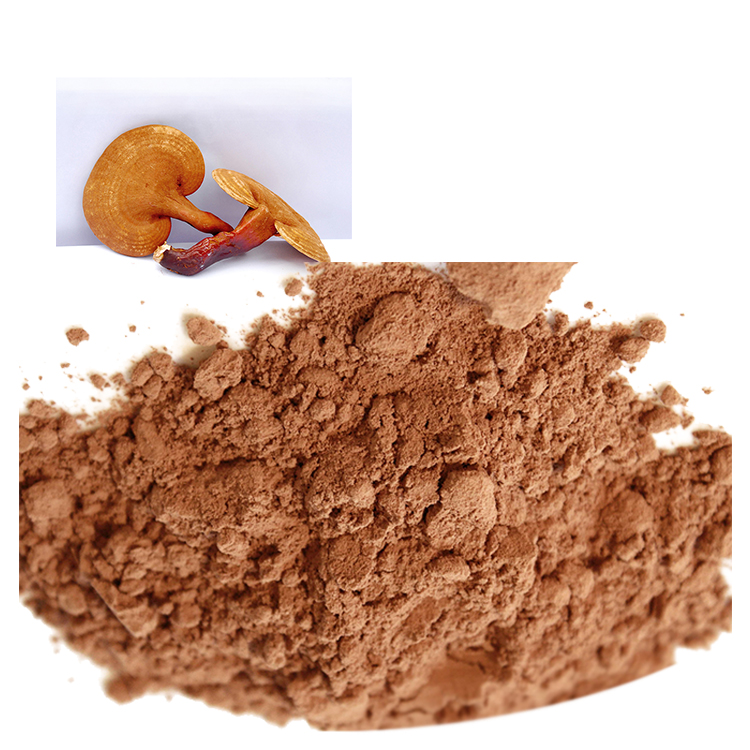
Ganoderma, also known as Lingzhi or Reishi mushroom, is revered in traditional medicine and modern wellness circles for its wide-ranging health benefits. However, as with any powerful supplement, understanding the precautions and contraindications before taking Ganoderma extract is essential to ensure safety and efficacy.
1. Understanding Ganoderma Extracts
Ganoderma extracts are concentrated products derived from Ganoderma lucidum, a medicinal mushroom recognized for its adaptogenic, immune-modulating, and antioxidant properties. These extracts are available under various names, including Ganoderma extract, Ganoderma lucidum extract, Lingzhi extract, and Reishi mushroom extract. They are found in capsules, powders, tinctures, and teas.
2. General Precautions
Consultation Required: Always consult a healthcare professional before starting Ganoderma extract, especially if you have underlying health conditions, are pregnant, breastfeeding, or are on medication.
Dosage: Adhere to the recommended dosage specified by the manufacturer or your healthcare provider. Overconsumption can increase the risk of adverse effects.
Source Verification: Only use extracts from reputable suppliers to avoid contamination and ensure product quality.
3. Common Side Effects
These symptoms are generally mild and subside with dose adjustment or discontinuation.
4. Contraindications
Pregnant and Lactating Women: Due to insufficient safety data, use during pregnancy and breastfeeding is not recommended unless under medical supervision.
Surgery Patients: Ganoderma may affect blood clotting. Discontinue at least two weeks before surgical procedures to minimize bleeding risk.
Children: Safety for children has not been established. Avoid unless specifically recommended by a healthcare provider.
5. Interactions With Medications
Anticoagulants/Antiplatelets: May potentiate the effect of blood thinners like warfarin or aspirin, increasing bleeding risk.
Immunosuppressants: May reduce the efficacy of immunosuppressive drugs.
Antihypertensives: May enhance blood pressure-lowering medications, risking hypotension.
Diabetes Medications: Ganoderma may lower blood sugar and could amplify the effects of antidiabetic drugs.
Discuss with your healthcare provider if you are on any of these medications.
6. Specific Populations Requiring Caution
Individuals With Bleeding Disorders: Due to anticoagulant properties, Ganoderma extract may exacerbate bleeding tendencies.
People With Low Blood Pressure: As it may lower blood pressure further, those with hypotension should use caution.
Autoimmune Diseases: Immune-stimulating effects may worsen conditions like lupus or rheumatoid arthritis. Use only with medical advice.
7. How to Safely Introduce Ganoderma Extract
Start with a low dose to assess tolerance.
Monitor for adverse reactions over the first weeks.
Discontinue and seek medical advice if you experience severe symptoms.
8. Monitoring and Reporting
Keep track of any new symptoms, and report side effects to your healthcare provider promptly. Regular monitoring ensures you gain the benefits of Ganoderma extract safely.
9. Summary
While Ganoderma extracts offer impressive wellness advantages, being aware of precautions and contraindications is vital. Responsible use, under professional guidance, helps maximize benefits and minimize risks.
Read More:
Key Considerations for Controlling Residual Solvents and Heavy Metals in Ganoderma Raw Materials
Why Global Wellness Brands Are Seeking Organic Mushroom Powder OEM Partners