How to Audit and Test Ganoderma Raw Materials: Common Testing Items and Factory Standards
This article outlines common laboratory testing items and customer audit standards for Ganoderma raw materials, providing best practices for quality control, documentation, and factory evaluation to ensure safety and efficacy.
Introduction
With the growing global popularity of Ganoderma—widely known as Lingzhi or Reishi—the quality and safety of Ganoderma raw materials have become a core focus for both manufacturers and their clients. OEM buyers, supplement brands, and functional food producers all require assurance that Ganoderma extract and related products meet strict standards for safety, efficacy, and regulatory compliance. This article provides a detailed overview of the most common testing items for Ganoderma raw materials and outlines best practices and key standards for factory audits from a client’s perspective.
1. Overview of Ganoderma Raw Materials and Industry Needs
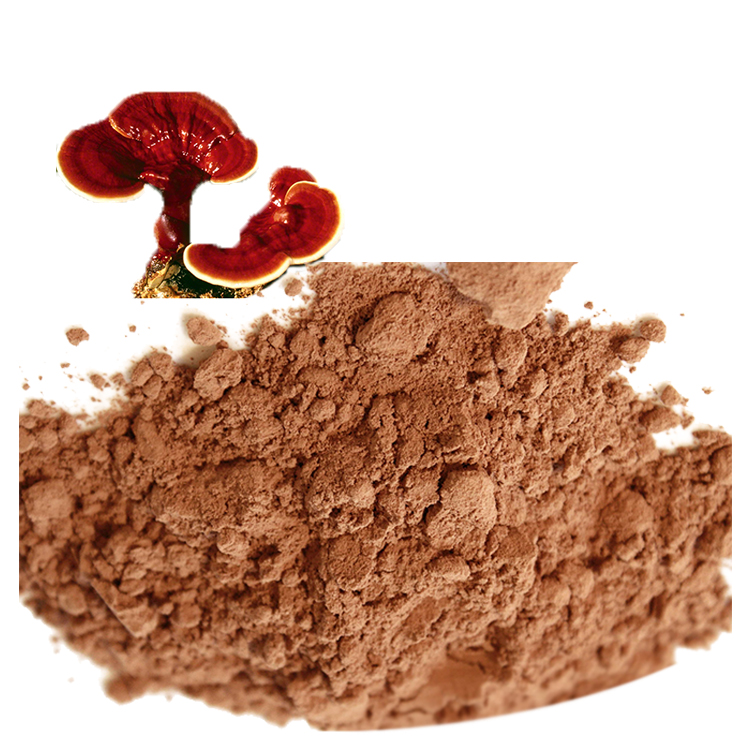
Ganoderma lucidum, or Lingzhi, is prized for its bioactive components—especially polysaccharides and triterpenes—that are responsible for its reputed health benefits. Manufacturers offer Ganoderma extract in various forms (powder, granules, tablets, capsules) for global nutraceutical, food, and beverage markets.
However, natural variability in source materials, processing methods, and global supply chains make strict quality control essential. Clients evaluating Ganoderma suppliers should focus on both laboratory test results and the supplier’s operational practices.
2. Common Testing Items for Ganoderma Raw Materials
2.1 Active Ingredients and Potency
Polysaccharide Content: The most important functional component, usually measured as a percentage. A high-quality Ganoderma extract should have a specified minimum polysaccharide content (e.g., ≥20%).
Triterpene Content: Responsible for immune-modulating and anti-inflammatory effects. Analytical techniques such as HPLC are used to quantify triterpene levels.
Total Ganoderic Acids: Specific triterpenes unique to Ganoderma lucidum extract; often measured as a marker of authenticity and potency.
2.2 Identity and Purity Testing
Species Authentication: DNA barcoding or microscopy is used to confirm the raw material is true Ganoderma lucidum.
Adulterant Screening: Ensures absence of non-Ganoderma material or synthetic additives. Techniques include TLC, HPLC, and FTIR.
2.3 Microbial and Contaminant Tests
Total Plate Count (TPC): Assesses the general microbial load.
Yeast and Mold: High counts indicate poor storage or contamination risk.
Pathogens: Testing for E. coli, Salmonella, Staphylococcus aureus, etc. is mandatory for all ingestible ingredients.
Heavy Metals: Arsenic, lead, cadmium, and mercury must all fall below regulatory thresholds. ICP-MS or AAS are commonly used methods.
Pesticide Residues: Particularly critical for organic-certified products; tests cover a broad spectrum of possible agrochemical residues.
2.4 Additional Quality Indices
Moisture Content: High moisture increases spoilage risk and reduces shelf life. Typically, moisture content should be ≤8% for powders.
Ash Content: Indicates inorganic residue; abnormally high levels may suggest contamination or poor processing.
Solubility and Appearance: Visual and physical quality checks are important for client specifications.
2.5 Allergen and Residual Solvent Testing
Allergen Screening: Ensures no cross-contamination with common allergens during cultivation or processing.
Residual Solvents: For extracts produced using solvents (e.g., ethanol), residual levels must be verified and within safe limits.
3. Customer Audit Standards and Factory Evaluation
3.1 Quality Management System (QMS)
GMP Compliance: Factories must follow Good Manufacturing Practice. Documentation, SOPs, and traceability systems are reviewed in detail.
HACCP: Hazard Analysis and Critical Control Points plan for risk management in food safety.
3.2 Traceability and Documentation
Batch Records: Detailed production records from raw material receipt through finished product delivery.
Certificate of Analysis (COA): Every batch of Lingzhi extract or Reishi mushroom extract should have a COA documenting results for all critical parameters.
Supply Chain Transparency: Full traceability from cultivation base to export.
3.3 On-Site Audits: Key Points for Clients
Facility Cleanliness: GMP-level cleanliness of production, packaging, and storage areas.
Equipment Maintenance: Regular calibration, maintenance, and cleaning of all processing and analytical equipment.
Personnel Training: Proper documentation of ongoing training in quality, safety, and hygiene.
Pest Control and Environmental Monitoring: Preventive measures to avoid contamination.
3.4 Third-Party Certifications
Organic Certification: For clients seeking organic Ganoderma extract, certification from recognized bodies is required.
ISO Standards: ISO 22000 (food safety management), ISO 9001 (quality management), and others increase client confidence.
Third-Party Testing: Independent laboratory verification for key tests such as heavy metals, pesticides, and bioactive markers.
4. Advanced Testing and Future Trends
DNA Barcoding: Growing trend for identity assurance in international trade.
Advanced Residue Testing: More stringent global regulations require advanced multi-residue pesticide testing.
Real-Time Data Logging: Use of digital sensors for monitoring temperature, humidity, and storage conditions throughout the supply chain.
Conclusion
Ensuring the safety, efficacy, and authenticity of Ganoderma raw materials requires a comprehensive quality management system backed by rigorous laboratory testing. Clients sourcing Ganoderma extract, Ganoderma lucidum extract, Lingzhi extract, or Reishi mushroom extract should focus on suppliers with a proven track record of compliance, documentation, and transparency. By implementing robust customer audit standards, both buyers and producers can ensure their products meet the highest global standards and deliver real value to the end consumer.
Read More:
Key Considerations for Controlling Residual Solvents and Heavy Metals in Ganoderma Raw Materials
Why Global Wellness Brands Are Seeking Organic Mushroom Powder OEM Partners