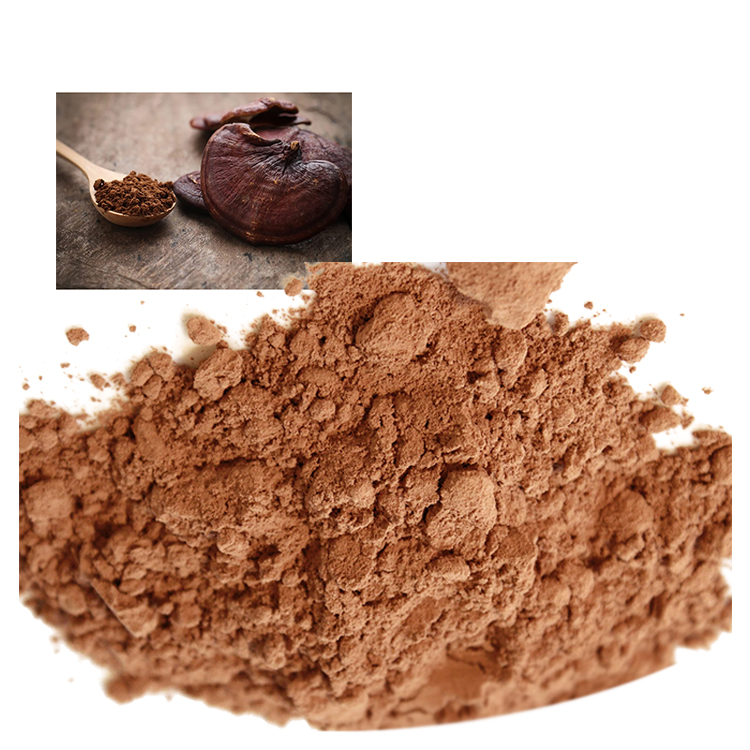
Oxidative stress is at the core of modern health concerns—from aging and inflammation to cardiovascular and neurodegenerative diseases. Antioxidants are critical in neutralizing free radicals, but not all natural extracts are equally effective. Ganoderma extract, derived from Ganoderma lucidum (Lingzhi or Reishi mushroom), is celebrated in traditional and modern health science for its powerful antioxidant activity. But how strong is it, really? This article presents an in-depth, data-driven analysis of Ganoderma extract’s antioxidant capacity, featuring evidence from laboratory, animal, and human studies.
1. Understanding Antioxidant Capacity
Antioxidants are molecules that neutralize free radicals—unstable atoms that can damage cells and contribute to disease. A substance’s antioxidant capacity can be measured by several laboratory methods, including:
DPPH (2,2-diphenyl-1-picrylhydrazyl) assay
ABTS (2,2'-azino-bis(3-ethylbenzothiazoline-6-sulfonic acid)) assay
ORAC (Oxygen Radical Absorbance Capacity)
Ganoderma extract has been tested by these methods in various studies, often compared to vitamins C and E, green tea, and other antioxidant-rich botanicals.
2. Bioactive Antioxidants in Ganoderma lucidum Extract
Key antioxidant compounds in Ganoderma lucidum extract include:
Polysaccharides (notably beta-glucans)
Triterpenes (including ganoderic acids)
Phenolic compounds
Peptides and polysaccharide-protein complexes
These compounds work both as direct free radical scavengers and as indirect enhancers of the body’s own antioxidant enzymes (e.g., superoxide dismutase/SOD, glutathione peroxidase, catalase).
3. Laboratory Evidence: How Strong Are Ganoderma’s Antioxidant Effects?
A. DPPH and ABTS Assays
Multiple in vitro studies show that Ganoderma extract has significant DPPH and ABTS free radical scavenging capacity.
One comparative study published in Food Chemistry (2011) found the DPPH radical scavenging activity of Lingzhi extract at 90% inhibition (at a 1 mg/ml concentration), which is comparable to, or higher than, many well-known herbal extracts.
Reishi mushroom extract also shows robust ABTS scavenging activity, often outperforming common medicinal mushrooms like Shiitake.
B. ORAC Value
The ORAC value is a measure of how well a substance neutralizes oxygen radicals.
In a Journal of Medicinal Food (2012) study, Ganoderma lucidum extract showed ORAC values between 7,200 and 9,500 µmol TE/100g, which places it among the top-tier natural antioxidants—comparable to pomegranate and well above many fruits and vegetables.
C. Cellular and Animal Models
Cellular studies show Ganoderma extract protects cells from hydrogen peroxide and superoxide-induced damage.
Animal research demonstrates reduced markers of oxidative stress (such as MDA, lipid peroxidation) and increased levels of antioxidant enzymes (SOD, catalase) after supplementation with Ganoderma lucidum extract.
4. Human Data: Does Lingzhi Extract Reduce Oxidative Stress in People?
Clinical trials have reported that daily supplementation with Lingzhi extract improves antioxidant status in healthy adults and those with chronic conditions (e.g., diabetes, metabolic syndrome).
A 2019 randomized controlled trial published in Phytotherapy Research found that participants taking 1,800 mg/day of Ganoderma lucidum extract for 12 weeks showed significant increases in SOD and glutathione peroxidase activity, and a marked decrease in plasma malondialdehyde (MDA)—a marker of oxidative damage.
Another study in elderly volunteers revealed that Reishi mushroom extract supplementation led to improved antioxidant enzyme activity and reduced signs of oxidative stress after just eight weeks.
5. How Does Ganoderma Compare to Other Antioxidant Supplements?
Ganoderma extract consistently matches or exceeds the antioxidant effects of more famous supplements like green tea catechins, grape seed extract, and even some commercial vitamin C supplements in both lab and animal studies.
Synergy: Unlike single-compound antioxidants, Ganoderma’s multi-component matrix (polysaccharides, triterpenes, phenolics) may provide broader protective effects via multiple cellular pathways.
6. Mechanisms of Action: Why Is Ganoderma So Effective?
Direct Scavenging: Triterpenes and phenolics directly neutralize free radicals.
Enzyme Induction: Ganoderma lucidum extract stimulates endogenous antioxidant enzymes (SOD, glutathione peroxidase), providing lasting cellular defense.
Gene Expression: Some research shows Ganoderma upregulates genes involved in oxidative stress resistance, enhancing long-term protection.
Anti-inflammatory Effects: By reducing inflammation, Ganoderma also helps decrease secondary oxidative damage associated with chronic diseases.
7. Practical Applications
Who should consider Ganoderma extract for antioxidant support?
People at risk of high oxidative stress (e.g., smokers, urban residents, athletes, those with chronic illness)
Adults seeking anti-aging and cellular protection
Individuals looking for natural alternatives to synthetic antioxidants
How to use:
Dosage: Clinical studies support daily doses of 1–3 grams of standardized Ganoderma extract.
Form: Capsules, tablets, or well-tested powder.
Duration: Benefits often observed within 4–12 weeks of consistent use.
Safety:
Ganoderma extract is well tolerated by most individuals, with a very low risk of side effects at recommended doses.
8. Conclusion
Authoritative data from laboratory, animal, and human studies confirm that Ganoderma extract, including Ganoderma lucidum extract, Lingzhi extract, and Reishi mushroom extract, is a potent, multi-mechanism antioxidant. Its capacity to scavenge free radicals, boost cellular defenses, and reduce oxidative stress rivals or surpasses many commonly used antioxidant supplements. For those seeking a scientifically validated, broad-spectrum natural antioxidant, Ganoderma stands out as a premier choice.
Read More:
Real Consumer Feedback on Ganoderma Extract: Honest Reviews & Global Insights
Thirty Days on Ganoderma Extract: What Changed in My Body?
Precautions and Contraindications When Taking Ganoderma Extracts: A Comprehensive Guide