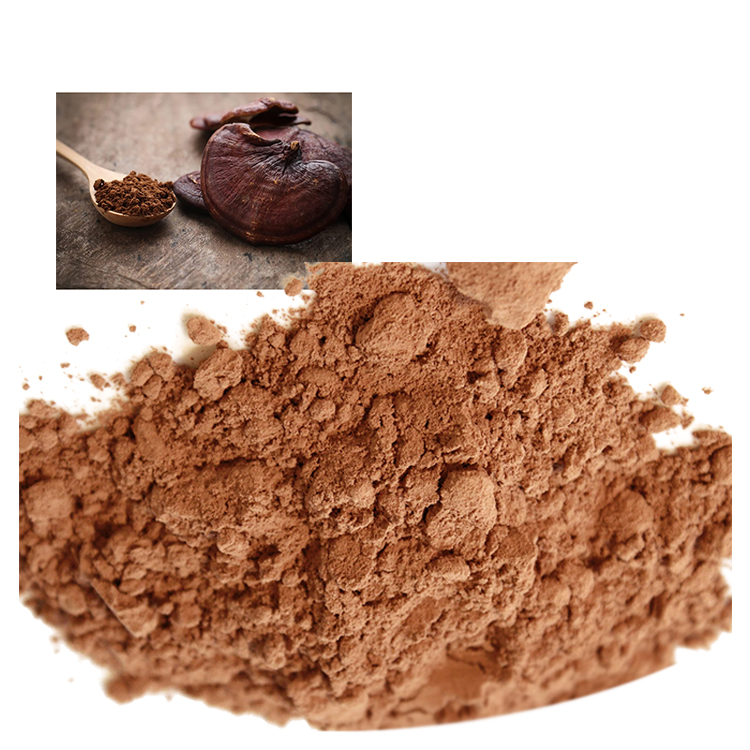
Ganoderma lucidum, known as Lingzhi in China and Reishi in the West, is a medicinal mushroom revered for its diverse bioactive compounds and powerful health benefits. Recent years have seen a surge in research, especially around its anti-tumor and anti-inflammatory effects. This article summarizes the latest scientific advances, exploring how Ganoderma extract may be harnessed for cancer therapy and inflammation control, with a focus on mechanisms, clinical findings, and future prospects.
1. Bioactive Compounds Behind the Effects
Ganoderma lucidum extract is rich in bioactive molecules including:
These components have demonstrated both anti-cancer and anti-inflammatory properties in a variety of preclinical and clinical studies.
2. Anti-Tumor Mechanisms: How Does Ganoderma Extract Fight Cancer?
A. Immunomodulation and Immune Surveillance
Activation of NK cells and cytotoxic T-cells: Ganoderma extract stimulates the body’s innate and adaptive immune responses, improving recognition and destruction of cancer cells.
Enhanced cytokine production: Compounds in Lingzhi extract promote the release of interferons and interleukins, crucial for anti-tumor defense.
B. Induction of Cancer Cell Apoptosis
C. Inhibition of Angiogenesis and Metastasis
Blocking new blood vessel formation: Ganoderma lucidum extract inhibits the growth of blood vessels needed for tumor expansion.
Suppressing metastasis: Key molecules impede cancer cell migration and invasion.
D. Antioxidant and DNA Protection
3. Anti-Inflammatory Mechanisms: Control of Chronic Inflammation
Chronic inflammation underlies the development of many diseases, including cancer, diabetes, and cardiovascular disorders. Ganoderma lucidum extract exerts strong anti-inflammatory effects through several pathways:
A. Downregulation of Pro-Inflammatory Cytokines
Inhibition of NF-κB signaling: Ganoderma suppresses nuclear factor kappa-B, a key regulator of genes involved in inflammation.
Reduction in TNF-α, IL-1β, and IL-6: Clinical and animal studies show significant drops in these pro-inflammatory cytokines after Lingzhi supplementation.
B. Upregulation of Anti-Inflammatory Mediators
C. Antioxidant Support
Reduction of oxidative stress: As oxidative stress fuels inflammation, Ganoderma’s antioxidant action further helps lower chronic inflammatory activity.
4. Clinical Evidence: Anti-Tumor Applications
A. Cancer Prevention and Adjunctive Therapy
Randomized clinical trials have explored Ganoderma extract as an adjunct in cancer treatment (e.g., lung, breast, colorectal, and liver cancers).
Key findings: Improved quality of life, reduced chemotherapy side effects, enhanced immune response (increased NK and CD8+ T-cell activity), and in some studies, longer survival times.
Meta-analyses indicate that Lingzhi extract can be beneficial for cancer patients, especially when used alongside standard treatments.
B. Mechanisms Confirmed in Human Studies
Apoptosis markers: Blood and tissue samples from cancer patients using Ganoderma supplements show increased expression of apoptotic markers and decreased tumor proliferation.
Reduced inflammation: Lowered inflammatory markers and improved immune profiles have been reported.
5. Clinical Evidence: Anti-Inflammatory Effects
A. Chronic Inflammatory Disease
Clinical studies in patients with rheumatoid arthritis, ulcerative colitis, and asthma show that Ganoderma lucidum extract can reduce inflammatory symptoms, improve disease markers, and enhance patient wellbeing.
Safe profile: No major adverse effects reported in well-designed studies at standard doses.
B. Metabolic and Cardiovascular Health
6. Future Prospects and Research Directions
Refining bioactive molecule isolation for targeted therapies.
Investigating synergistic effects with conventional cancer treatments and anti-inflammatory drugs.
Personalized medicine: Identifying which patients may benefit most from Lingzhi supplementation based on genetic or metabolic profiles.
7. Safety and Usage Guidelines
Typical dosages: 1–3 grams per day of standardized Ganoderma extract, under healthcare supervision for cancer or chronic disease.
Drug interactions: Caution for those on anticoagulants, immunosuppressants, or chemotherapy—always consult a specialist.
General safety: Well-tolerated by most, with mild digestive upset in rare cases.
8. Frequently Asked Questions
Q: Can Ganoderma extract cure cancer?
A: No supplement should be considered a cure. Ganoderma extract is best used as an adjunct to standard care under medical supervision.
Q: How long does it take to see anti-inflammatory effects?
A: Clinical improvement is usually observed within 4–8 weeks of consistent supplementation.
Q: Is it safe for long-term use?
A: Long-term studies suggest good safety at recommended doses, but ongoing monitoring is advised for cancer patients.
9. Conclusion
The latest research supports the significant potential of Ganoderma extract, including Ganoderma lucidum extract, Lingzhi extract, and Reishi mushroom extract, in the fight against cancer and chronic inflammation. By harnessing multiple mechanisms—immunomodulation, apoptosis induction, inhibition of angiogenesis, and anti-inflammatory regulation—Ganoderma represents an exciting frontier in integrative medicine. Continued clinical trials and mechanistic studies will further define its therapeutic value, but current data already position Ganoderma as a valuable, well-tolerated adjunct for health professionals and patients alike.
Read More:
Real Consumer Feedback on Ganoderma Extract: Honest Reviews & Global Insights
Thirty Days on Ganoderma Extract: What Changed in My Body?
Precautions and Contraindications When Taking Ganoderma Extracts: A Comprehensive Guide