How to Scientifically Test Reishi Triterpenes and Polysaccharides? Detailed Quality Control Standards Explained
A comprehensive, scientific guide to testing triterpene and polysaccharide content in Reishi extract. Explains HPLC, colorimetric assays, global quality standards, and compliance best practices for USDA Certified Ganoderma Powder and more.
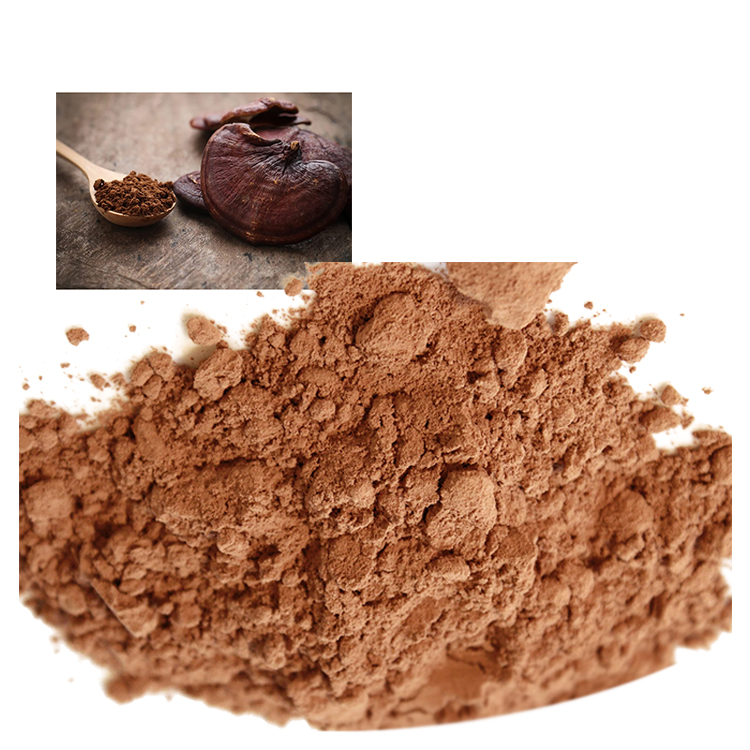
Reishi mushroom (Ganoderma lucidum) extract quality is defined by two major groups of bioactive compounds: triterpenes and polysaccharides. Accurate detection, quantification, and quality control of these actives are essential for brands, manufacturers, and importers—especially for high-value products like USDA Certified Ganoderma Powder, Organic Mushroom Extract Powder, and Organic Red Ganoderma Powder. This guide provides a step-by-step breakdown of scientific testing methods, industry standards, and best practices for quality control in the global Reishi market.
1. Scientific Testing of Triterpenes in Reishi Extract
2. Scientific Testing of Polysaccharides in Reishi Extract
a. Principle of Detection
The phenol-sulfuric acid method is the most common colorimetric assay for total polysaccharides.
Sample Preparation: Water extraction is used for samples, followed by ethanol precipitation to separate polysaccharides.
Assay Procedure: Reaction with phenol and sulfuric acid forms a colored complex, which is measured spectrophotometrically at 490 nm.
Quantification: Glucose is used as a standard; results are typically reported as % or mg/g of polysaccharides.
b. Beta-Glucan Specific Assays
c. Quality Standards and Acceptance Criteria
Pharmacopoeia Reference: Most standards require at least 10–30% polysaccharides for concentrated powders.
Batch Testing: Every lot of Organic Mushroom Extract Powder, Organic Reishi Mushroom Powder, or Ganoderma Extract Powder should have an up-to-date COA showing both total and beta-glucan content.
d. Best Practices
Avoid overestimation: crude methods (like alcohol precipitation) may inflate polysaccharide readings.
Use validated, specific assays and third-party verification for export markets.
3. Comprehensive Quality Control Standards in Reishi Manufacturing
a. Raw Material Sourcing and Traceability
Top suppliers of USDA Certified Ganoderma Powder and Organic Red Ganoderma Powder ensure full traceability from farm to factory, using QR codes or blockchain.
Documentation includes farm location, cultivation method, and harvesting data.
b. Manufacturing Process Controls
Strict adherence to GMP, ISO22000, or HACCP standards is essential.
Key control points include extraction temperature, solvent purity, filtration, and drying method—all of which affect bioactive content.
c. Batch Testing and Release
Active compound testing: triterpenes, polysaccharides, beta-glucans
Safety testing: heavy metals, pesticides, microbial contamination
Organoleptic checks: appearance, taste, odor
Each lot must undergo:
Certificates and lab reports should be stored and available for customer and regulatory review.
d. Export and Labeling Compliance
Products like Organic Mushroom Extract Powder and Organic Red Ganoderma Powder must comply with organic certification and local labeling laws.
Export batches should have full documentation, including third-party test results, COA, and organic certificates.
e. Continuous Improvement and Audit
Conclusion
Scientific detection of triterpenes and polysaccharides—and rigorous quality control from field to factory—are the foundation of trustworthy, high-value Reishi products. By adhering to validated methods and robust standards, suppliers of USDA Certified Ganoderma Powder, Organic Mushroom Extract Powder, Organic Reishi Mushroom Powder, Ganoderma Extract Powder, and Organic Red Ganoderma Powder can assure both regulators and consumers of product quality and efficacy. In the evolving health market, only brands with proven testing and quality control will thrive.
Included keywords: USDA Certified Ganoderma Powder, Organic Mushroom Extract Powder, Organic Reishi Mushroom Powder, Ganoderma Extract Powder, Organic Red Ganoderma Powder.
Read More:
Real Consumer Feedback on Ganoderma Extract: Honest Reviews & Global Insights
Thirty Days on Ganoderma Extract: What Changed in My Body?
Precautions and Contraindications When Taking Ganoderma Extracts: A Comprehensive Guide