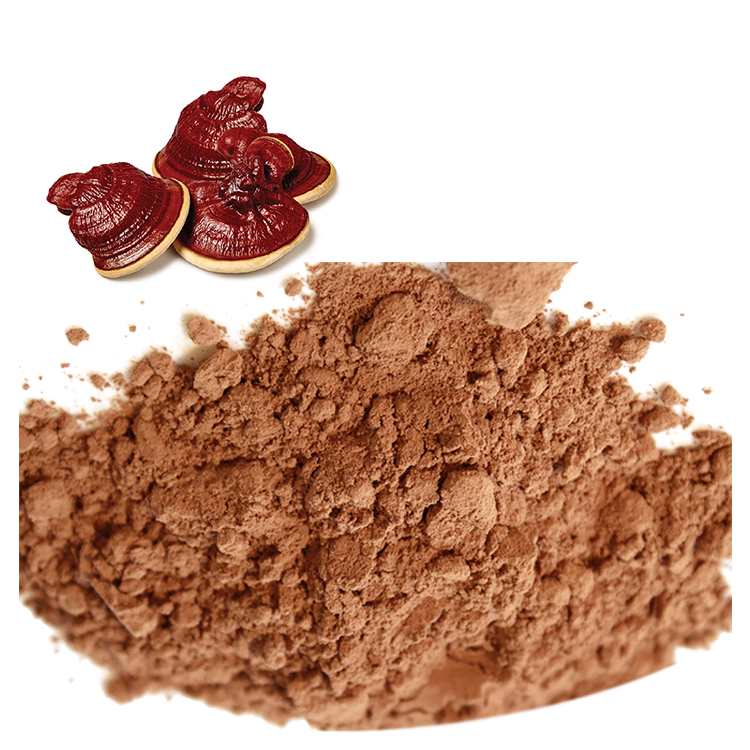
Ganoderma lucidum, also called Lingzhi in Chinese and Reishi mushroom in Western markets, is one of the world’s most revered medicinal fungi. Its extracts are increasingly popular for their wide-ranging health benefits. However, with the booming supplement industry, products labeled as Ganoderma extract vary significantly in purity, potency, and safety. So how can buyers distinguish high-quality from substandard or adulterated products? This article provides a comprehensive, science-based guide for identifying premium Ganoderma lucidum extract and avoiding common pitfalls.
1. Understanding Ganoderma Extract Types
Ganoderma extract can refer to several forms:
Hot Water Extract: Rich in polysaccharides, commonly used in traditional Chinese medicine.
Alcohol Extract: Contains triterpenes, which are fat-soluble and responsible for many of Reishi’s unique benefits.
Dual Extract: Combines both water and alcohol extraction, offering a broad spectrum of active compounds.
Premium products often specify their extraction method and standardization.
2. Key Quality Markers of High-Quality Ganoderma lucidum Extract
A. Authentic Species and Source
Botanical Authenticity: Only Ganoderma lucidum (true Lingzhi or Reishi) provides the best-studied bioactive profile.
Mushroom Part Used: Fruiting body (the cap) is preferred over mycelium (fungal threads) grown on grain, which may dilute active ingredients.
B. Standardized Active Compounds
Polysaccharide Content: Look for products that list a guaranteed percentage (typically 10–40%).
Triterpene Content: Alcohol or dual extracts should specify triterpene levels, ideally above 2–5%.
Other Bioactives: Some top-tier products may also standardize for ganoderic acids, peptides, or beta-glucans.
C. Purity and Additive-Free Formulation
No Fillers or Artificial Additives: Avoid products with starch, maltodextrin, or unspecified bulking agents.
Minimal Carrier Material: Particularly important for extracts derived from mycelium.
D. Origin and Cultivation Standards
Organic Certification: High-quality Ganoderma lucidum extract should come from organically grown mushrooms, free from pesticides and heavy metals.
Cultivation Method: Traditional log-grown Lingzhi is generally superior to mass-produced, grain-cultivated alternatives.
3. Advanced Quality Control & Testing
A. Laboratory Analysis
B. DNA Authentication
C. Transparency and Traceability
Batch Tracking: Top brands allow customers to check test results or batch numbers online.
Full Ingredient Disclosure: All ingredients, including carrier substances, should be clearly listed.
4. Regulatory and Certification Standards
GMP Certification: Good Manufacturing Practice compliance ensures safe, consistent, and high-quality production.
International Standards: Look for certifications like USDA Organic, EU Organic, Non-GMO, or ISO.
Country of Origin: Countries with established regulatory frameworks (Japan, China, US, EU) generally offer more reliable quality assurance.
5. Packaging and Storage
Opaque, Airtight Containers: Protect the sensitive bioactives in Reishi mushroom extract from light, air, and moisture.
Clear Expiry Date: High-quality products display expiration or best-before dates and batch numbers.
6. Signs of Low-Quality or Adulterated Products
Very Low Price: Authentic, high-potency Ganoderma extract is costly to produce; unrealistically cheap products may be diluted or fraudulent.
Unusual Taste or Smell: Off odors or a lack of Reishi’s characteristic bitterness may signal poor quality or excessive fillers.
Vague Labeling: Watch for missing extraction methods, unlisted standardization, or absence of producer information.
Lack of Third-Party Testing: Quality brands invest in independent verification.
7. Red Flags in the Ganoderma Extract Market
Mycelium on Grain: Products made from mycelium grown on brown rice or oats can be mostly starch, not true fruiting body extract.
Misleading Claims: Beware of “miracle cure” language or products claiming to cure diseases outright.
No Certificate of Analysis: Absence of verifiable testing documents is a warning sign.
8. Buyer’s Checklist for Premium Ganoderma Extract
Species: Verified Ganoderma lucidum (not “complex” or “blend”).
Extraction Method: Dual extract or clearly described process.
Standardization: Listed polysaccharide and triterpene content.
Origin: Organic, log-grown preferred; reputable country of origin.
Lab Testing: Independent COA available for actives and contaminants.
Transparency: Full ingredient disclosure, traceable batch numbers.
Certifications: GMP, organic, or other relevant seals.
9. Frequently Asked Questions
Q: Is a higher polysaccharide percentage always better?
A: Not necessarily. Overly high numbers can indicate added starch or fillers. Look for balanced standardization with triterpenes and other actives.
Q: Should I choose capsules, powder, or tincture?
A: All can be effective if quality criteria are met; powders allow flexible dosing, while capsules are convenient and taste-free.
Q: How do I know if a product contains real Reishi mushroom?
A: Insist on DNA authentication, batch COAs, and reputable sourcing.
10. Conclusion
Choosing a high-quality Ganoderma extract—including Ganoderma lucidum extract, Lingzhi extract, and Reishi mushroom extract—requires careful evaluation of scientific markers, industry certifications, and transparency from producers. By following this comprehensive guide, consumers and professionals alike can confidently select products that deliver authentic, potent, and safe benefits, maximizing the remarkable health potential of Lingzhi.
Read More:
Real Consumer Feedback on Ganoderma Extract: Honest Reviews & Global Insights
Thirty Days on Ganoderma Extract: What Changed in My Body?
Precautions and Contraindications When Taking Ganoderma Extracts: A Comprehensive Guide