Introduction
With the growing global emphasis on health and wellness, the international market for natural ingredients and botanical extracts has entered a new era of growth and sophistication. Ganoderma, recognized worldwide for its unique bioactive compounds and centuries-old use in traditional medicine, is one of the most valuable raw materials in this sector. As competition intensifies and regulatory standards rise, enhancing the export value of Ganoderma raw materials—particularly Ganoderma extract—has become a strategic priority for producers and exporters. This article explores actionable strategies for maximizing export value, addressing quality, compliance, branding, and market adaptation.
Quality Assurance: The Foundation of Export Value
The foremost driver of export value is uncompromising quality. International buyers, especially in premium markets, demand rigorous verification of product purity, safety, and efficacy. Suppliers should invest in advanced processing and quality control systems to consistently deliver Ganoderma lucidum extract that meets or exceeds global standards.
Key steps to ensure quality include:
Standardized Extraction: Employing controlled, reproducible extraction processes ensures a consistent profile of active compounds, including polysaccharides, triterpenoids, and beta-glucans.
Comprehensive Testing: Use third-party accredited labs to test for contaminants such as heavy metals, pesticides, and microbes. Provide Certificates of Analysis (COA) for each batch.
Traceability: Establish complete traceability from raw material cultivation to finished product, supporting both regulatory compliance and buyer confidence.
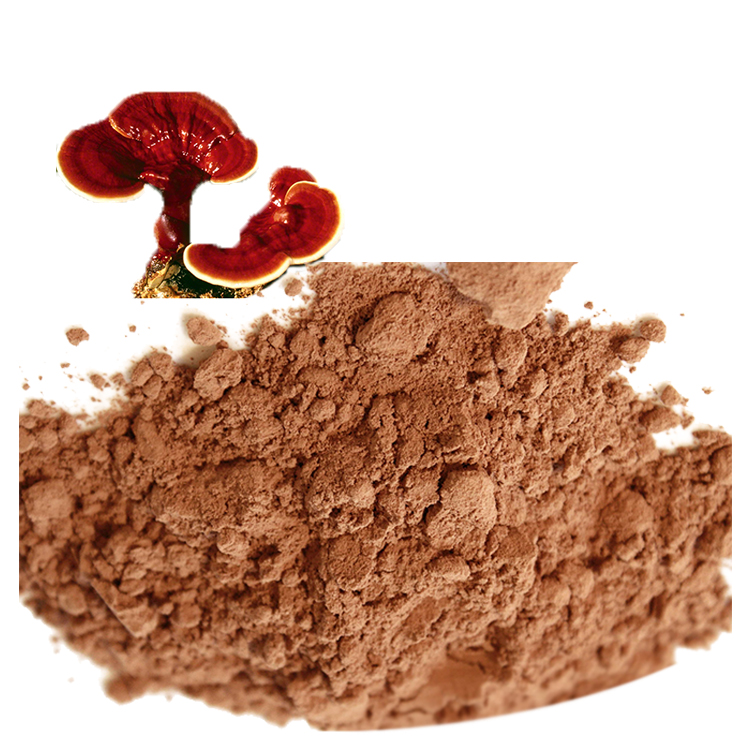
Modern processing technologies—such as spray drying, freeze-drying, and membrane filtration—can enhance the purity and functional properties of Lingzhi extract while preserving its natural characteristics.
Compliance and Certification: Meeting Market Requirements
Export markets are increasingly regulated, especially in regions like the EU, North America, and East Asia. Ganoderma suppliers aiming to enhance export value must stay ahead of evolving compliance demands.
Recommended certifications and standards:
Organic Certification: Organic status is highly valued, especially for food and nutraceutical applications.
Non-GMO and Allergen-Free: Additional certifications help position products for health-conscious and sensitive consumers.
Regulatory Approvals: Ensure compliance with local food safety laws (such as EFSA in Europe or FDA in the US), including novel food registrations and permissible health claims.
Sustainability and Social Responsibility: Certifications for sustainable harvesting, fair trade, or eco-friendly packaging can further differentiate products.
Investing in regulatory expertise and timely documentation expedites customs clearance and reduces trade barriers, making Reishi mushroom extract more attractive to importers.
Product Differentiation and Innovation
In a crowded global marketplace, differentiation is critical. Enhancing the export value of Ganoderma raw materials requires more than just bulk commodity sales—it requires value-added innovation.
Effective strategies include:
Specialized Extracts: Offer custom concentrations or blends, such as high-beta-glucan, triterpenoid-rich, or water-soluble powders tailored for beverage or supplement applications.
Novel Formats: Develop easy-to-use formats like instant sachets, effervescent tablets, or ready-to-mix blends to align with consumer trends.
Functional Blends: Combine Ganoderma extract with other adaptogenic or immune-boosting botanicals to create synergistic effects and new product stories.
Scientific Validation: Invest in research and clinical trials that demonstrate product efficacy, and use these findings to support premium positioning and marketing claims.
Branding, Storytelling, and Market Positioning
Export value is closely linked to brand reputation and consumer perception. Successful Ganoderma exporters build brands rooted in authenticity, science, and tradition.
Key tactics for premium positioning:
Heritage Storytelling: Emphasize the legacy of Ganoderma, highlighting its use in traditional Chinese medicine and its modern scientific validation.
Transparent Labeling: Clearly communicate active ingredient content, certifications, sourcing information, and usage instructions.
Premium Packaging: Invest in packaging that protects product integrity and appeals to target markets, incorporating sustainability and traceability features.
Digital Presence: Establish strong digital marketing and B2B outreach, including e-commerce platforms, trade portals, and educational content for buyers and end users.
Partnerships with global distributors, participation in international trade shows, and collaboration with health influencers or practitioners can further elevate the market status of Lingzhi extract products.
Adaptation to Regional Market Needs
Every export market has its own regulatory, cultural, and consumer preferences. Tailoring products and marketing to these nuances can significantly enhance acceptance and value.
Adaptation strategies include:
Local Formulation Requirements: Modify Ganoderma lucidum extract specifications or blends to comply with local food and supplement standards.
Health Claims and Positioning: Align product messaging with the most relevant health concerns in each market (e.g., immunity in North America, anti-aging in Europe, wellness in Southeast Asia).
Cultural Sensitivity: Incorporate cultural or traditional references where appropriate to build trust and relatability.
Education and Support: Provide technical documents, usage guides, and educational seminars for buyers, formulators, and consumers.
Ongoing market research and feedback gathering are essential for refining products and maintaining competitive advantage.
Sustainability and Social Responsibility
Modern buyers and consumers increasingly value sustainability and ethical sourcing. Enhancing the export value of Ganoderma raw materials means demonstrating a genuine commitment to environmental stewardship and community well-being.
Sustainable Cultivation: Adopt organic farming, reduce chemical inputs, and protect local ecosystems.
Fair Trade and Social Impact: Support grower communities with fair pricing, training, and development programs.
Eco-Friendly Packaging: Use recyclable, biodegradable, or reusable materials to meet global environmental expectations.
Certifications and transparent reporting on sustainability efforts can strengthen relationships with global buyers and open doors to high-value markets.
Conclusion
The export value of Ganoderma raw materials depends on a holistic approach that combines uncompromising quality, regulatory expertise, product innovation, branding, and sustainability. By focusing on advanced processing, compliance with market-specific requirements, and strategic differentiation, suppliers can position Ganoderma extract, Ganoderma lucidum extract, Lingzhi extract, and Reishi mushroom extract as premium ingredients in the global wellness and functional food industry. Long-term success will be built on continuous improvement, education, and authentic storytelling that bridges tradition and modern science.
Read More:
Key Considerations for Controlling Residual Solvents and Heavy Metals in Ganoderma Raw Materials
Why Global Wellness Brands Are Seeking Organic Mushroom Powder OEM Partners