Introduction
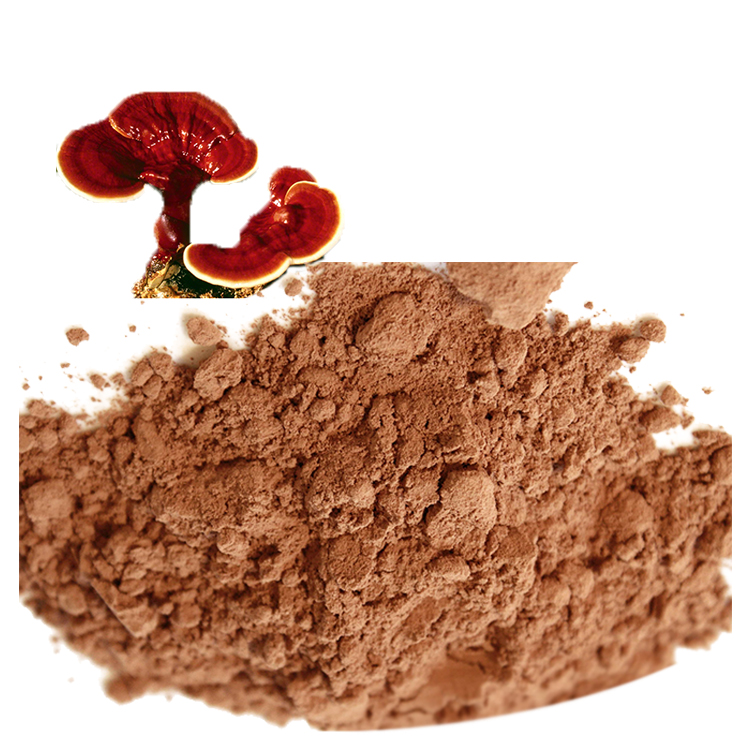
Southeast Asia has emerged as one of the most dynamic and rapidly growing regions for the health products industry. With a population exceeding 670 million and an increasing focus on preventative healthcare, this region has become fertile ground for the proliferation of natural and functional ingredients. Among the diverse array of botanicals and superfoods gaining traction, Ganoderma extract—sourced from the revered Ganoderma lucidum mushroom, commonly known as Lingzhi or Reishi—has experienced significant market momentum. This article provides a comprehensive exploration of the rise of Ganoderma extract in the Southeast Asian health products market, detailing its drivers, challenges, regulatory landscape, and future outlook.
Market Drivers: The Health and Wellness Boom
Across Southeast Asia, consumers are demonstrating heightened health awareness and a greater willingness to invest in dietary supplements and functional foods. The COVID-19 pandemic accelerated these trends, fueling demand for products that offer immune support, stress relief, and overall wellness. Ganoderma extract, with its centuries-old reputation in traditional medicine, has seamlessly transitioned into modern health products. The perceived benefits of Ganoderma lucidum extract—including antioxidant, adaptogenic, and immune-modulating properties—resonate strongly with consumers seeking holistic health solutions.
As urbanization and rising incomes drive lifestyle changes, Southeast Asian consumers are moving away from conventional pharmaceuticals and towards natural remedies. Lingzhi extract has become a central ingredient in various product forms such as capsules, powders, teas, ready-to-drink beverages, and even snack foods. Brand marketing efforts increasingly highlight the mushroom’s legacy in traditional Chinese medicine, helping to build trust and cultural resonance.
Regulatory Framework and Quality Standards
One of the pivotal factors shaping the Ganoderma market in Southeast Asia is the complex regulatory environment. Each country maintains its own set of regulations for the approval, labeling, and marketing of health products. In Singapore and Malaysia, for example, Ganoderma-based supplements must comply with guidelines on safety, permissible claims, and importation. These requirements necessitate rigorous documentation, quality control, and in some cases, clinical substantiation of health claims.
The Association of Southeast Asian Nations (ASEAN) has been working towards harmonizing certain aspects of supplement regulation. However, differences in enforcement and standards persist. Leading companies ensure their Ganoderma extract products are supported by Certificates of Analysis (COAs) verifying active ingredient content, purity, and absence of contaminants. Meeting or exceeding international benchmarks—such as organic certification or third-party lab testing—can further strengthen product positioning and facilitate cross-border trade.
Product Innovation and Differentiation
Product innovation is critical for standing out in a crowded and fast-evolving health market. In Southeast Asia, successful brands leverage Ganoderma lucidum extract’s versatility by developing products that cater to local preferences and cultural tastes. Ready-to-drink herbal teas, functional coffees, and convenient sachet powders are increasingly popular formats.
The integration of Reishi mushroom extract with other regionally recognized botanicals—such as turmeric, ginger, and ginseng—enhances perceived efficacy and market appeal. Advanced processing techniques, including cold extraction and microencapsulation, help maintain bioactivity and improve consumer experience by masking bitterness and optimizing solubility.
Brand storytelling that highlights both scientific research and traditional heritage is a key differentiator. Companies that invest in consumer education, transparent sourcing, and sustainability initiatives are more likely to gain loyalty in discerning Southeast Asian markets.
Distribution Channels and Digital Transformation
E-commerce has revolutionized health product distribution in Southeast Asia, breaking down geographical barriers and expanding market reach. Platforms such as Lazada, Shopee, and Tokopedia have become vital sales channels for Ganoderma extract supplements. Direct-to-consumer strategies, subscription models, and influencer marketing further drive growth and consumer engagement.
Offline retail remains important, particularly in markets like Thailand and Vietnam where pharmacies and health stores play a central role in consumer trust-building. Cross-border e-commerce regulations, logistics infrastructure, and payment innovation all contribute to the accessibility and success of Ganoderma-based products in the region.
Consumer Perceptions and Future Trends
Southeast Asian consumers are increasingly knowledgeable and discerning about health product quality, origin, and efficacy. They value transparent labeling, third-party certifications, and clear communication of health benefits. Education campaigns around the unique bioactive compounds in Ganoderma extract—such as polysaccharides and triterpenoids—can further differentiate premium offerings.
Looking ahead, the market for Lingzhi extract is expected to expand into new segments, including sports nutrition, beauty-from-within, and personalized wellness. Collaboration between brands, healthcare practitioners, and regulatory bodies will be essential for maintaining growth momentum and consumer confidence.
Conclusion
The rise of Ganoderma extract in the Southeast Asian health products market reflects broader trends toward natural, preventative healthcare and functional nutrition. With strong roots in traditional medicine and increasing scientific validation, Ganoderma lucidum extract is well-positioned to remain a cornerstone of innovative health products in the region. Success will depend on continued investment in quality, compliance, education, and market adaptation.
Read More:
Key Considerations for Controlling Residual Solvents and Heavy Metals in Ganoderma Raw Materials
Why Global Wellness Brands Are Seeking Organic Mushroom Powder OEM Partners