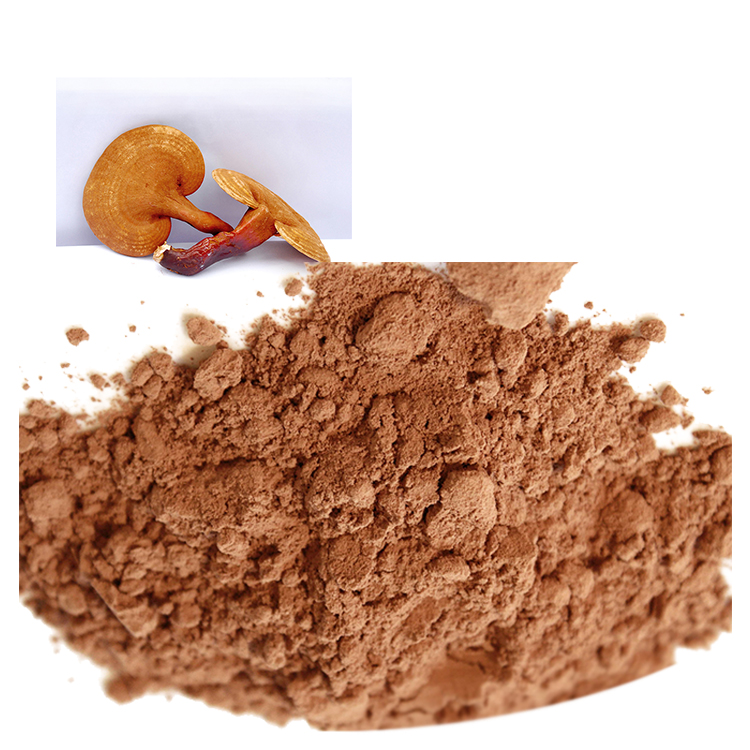
As demand for Ganoderma lucidum—also known as Lingzhi or Reishi mushroom—soars globally, supply chain management has become a decisive factor for B2B enterprises operating in the natural ingredients, nutraceutical, and functional food sectors. Ganoderma extract is a high-value, bioactive product used by supplement brands, pharmaceutical companies, and cosmetic manufacturers. However, managing its supply chain is uniquely challenging due to agricultural risk, quality assurance, and regulatory scrutiny. This article explores the critical risks, optimization strategies, and digitalization trends B2B companies must master to succeed in the Ganoderma lucidum extract supply chain.
1. Key Risks in the Ganoderma Extract Supply Chain
A. Agricultural and Raw Material Risks
Climate Dependence: Ganoderma lucidum cultivation depends on stable environmental conditions; adverse weather, pests, and diseases can threaten yield and bioactive compound quality.
Supply Volatility: Seasonal harvests, regional crop failures, and supply concentration (e.g., dependence on specific regions in China) all increase risk.
Adulteration and Misidentification: Lower-quality or misidentified mushroom species are sometimes substituted for true Lingzhi extract, undermining product integrity.
B. Quality Control and Standardization Risks
Batch-to-Batch Variability: Ganoderma extract’s efficacy relies on standardization of polysaccharides and triterpenes. Variability in raw material or extraction process can lead to inconsistent product.
Contamination: Heavy metals, pesticide residues, microbial contamination, and residual solvents are regulatory red flags for Reishi mushroom extract.
Regulatory Compliance: Different markets require strict documentation (e.g., COA, GMP, organic, or kosher certifications).
C. Logistics and Traceability Risks
Long Supply Chains: International B2B transactions often involve multiple intermediaries, increasing the risk of delays, loss, or quality deterioration.
Traceability Gaps: Without end-to-end transparency, it is difficult to verify origin, organic status, or production standards.
2. Optimization Strategies for the Ganoderma lucidum Extract Supply Chain
A. Source Diversification and Vertical Integration
Multi-Region Sourcing: Spread agricultural risk by contracting with growers in diverse geographic locations.
Backward Integration: Consider direct investment in cultivation, processing, or partnerships with trusted farms for priority access and quality control.
B. Supplier Qualification and Auditing
Robust Vetting: Use standardized criteria for selecting suppliers, including authentication of Ganoderma species and third-party laboratory testing for actives.
Regular Audits: Conduct on-site audits and remote monitoring for compliance with cGMP and international standards.
C. Quality Assurance and Standardization
In-House or Partnered Lab Testing: Every batch of Ganoderma extract should be tested for polysaccharide/triterpene content, contaminants, and species authenticity.
Standard Operating Procedures (SOPs): Implement SOPs for sampling, storage, and transport to maintain consistent quality.
D. Risk Mitigation Contracts
Forward Contracts and Buffer Stocks: Use forward contracts and maintain strategic inventory to buffer against supply shocks.
Insurance: Cover key supply chain links with agricultural, logistics, and product liability insurance.
3. Digitalization and Next-Generation Supply Chains
A. Traceability Solutions
Blockchain and Digital Ledgers: Digitally record every step—from farm to finished Ganoderma extract—for transparency, anti-counterfeiting, and regulatory compliance.
QR Code and IoT Tracking: Allow downstream partners and end-users to verify product origin, certifications, and quality data in real-time.
B. Data-Driven Forecasting
AI and Predictive Analytics: Leverage weather, yield, and market data to anticipate shortages, price swings, or demand spikes for Lingzhi extract.
Integrated ERP Systems: Adopt enterprise resource planning (ERP) platforms for synchronized inventory, order management, and supplier relations.
C. Digital Collaboration and Marketplaces
B2B Platforms: Engage with digital ingredient marketplaces that vet suppliers, offer real-time inventory, and streamline order and payment processes.
Supplier Portals: Create shared digital workspaces for collaborative planning, quality assurance, and issue resolution.
4. Regulatory Trends and ESG in Ganoderma Supply Chains
ESG (Environmental, Social, Governance): Modern B2B buyers prioritize sustainability, traceability, and social responsibility. Ensure Ganoderma lucidum extract is produced with minimal environmental impact and fair labor practices.
Documentation and Transparency: Maintain comprehensive digital records for every batch—origin, certifications, lab reports, and sustainability metrics—to meet rising expectations from partners and regulators.
5. Case Study: Leading Practices in Reishi Mushroom Extract Supply
Example:
A European supplement manufacturer sources Ganoderma extract from certified organic farms in both China and Eastern Europe. The company uses blockchain-based traceability, routine third-party lab tests, and integrated ERP for real-time tracking. Their transparent approach has increased supply reliability and built trust with downstream partners.
6. Frequently Asked Questions
Q: Why is traceability so important for Ganoderma extract?
A: Traceability reduces the risk of adulteration, ensures compliance, and builds trust in a market where authenticity is paramount.
Q: Can digital supply chain tools reduce costs?
A: Yes, by improving forecasting, reducing waste, and minimizing quality failures, digital tools increase efficiency and reduce the total cost of supply.
Q: What certifications matter for B2B Ganoderma buyers?
A: Look for organic, GMP, ISO, and third-party laboratory certifications; regional preferences may require kosher, halal, or other documentation.
Conclusion
Effective supply chain management is a strategic advantage for B2B enterprises in the Ganoderma extract industry. By understanding agricultural, quality, and logistics risks, implementing robust optimization strategies, and embracing digitalization, companies can ensure stable, high-quality, and transparent supplies of Ganoderma extract, including Ganoderma lucidum extract, Lingzhi extract, and Reishi mushroom extract. The next generation of supply chain management is digital, data-driven, and focused on sustainability—key to success in a rapidly evolving global market.
Read More:
Real Consumer Feedback on Ganoderma Extract: Honest Reviews & Global Insights
Thirty Days on Ganoderma Extract: What Changed in My Body?
Precautions and Contraindications When Taking Ganoderma Extracts: A Comprehensive Guide