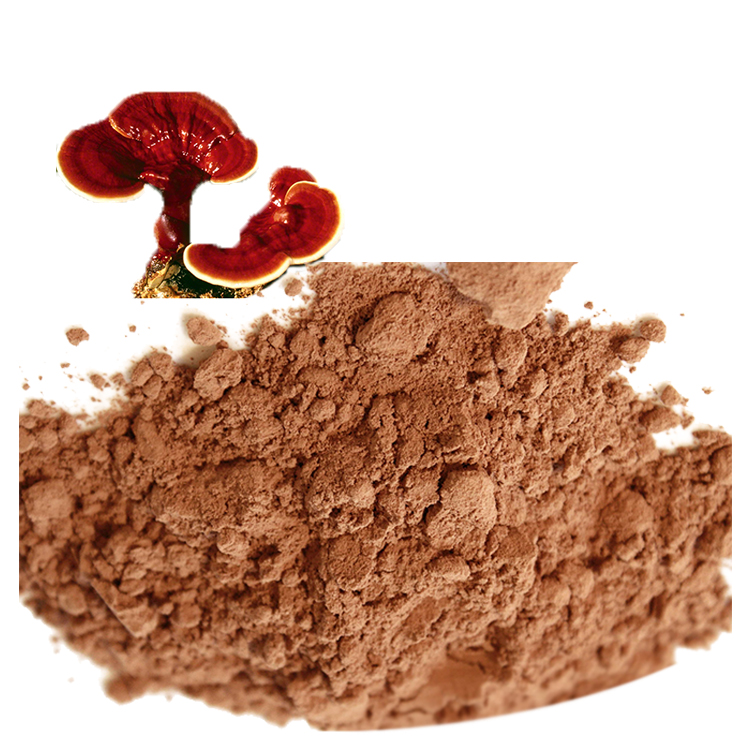
Ganoderma lucidum, also known as Lingzhi or Reishi mushroom, has been used for centuries in traditional medicine for its wide-ranging health benefits. Today, it is available globally in various supplement forms—most notably as Ganoderma extract and Ganoderma powder. Although both products originate from the same mushroom species, their production methods, bioactive content, potency, and uses can differ significantly. This article delivers a thorough, professional comparison to help consumers and practitioners choose the right form of Ganoderma lucidum extract for their needs.
1. What Is Ganoderma Powder?
Ganoderma powder is created by drying the whole fruiting body (or sometimes mycelium) of the mushroom and grinding it into a fine powder.
Process: No extraction is performed; the entire mushroom is simply milled.
Contents: Contains all natural constituents present in Ganoderma lucidum, including fiber, chitin, polysaccharides, triterpenes, proteins, and minerals—but at relatively low concentrations.
Advantages:
Offers a "whole food" approach—consumers receive the full spectrum of natural compounds.
Cost-effective and closer to the original mushroom form.
May contain beneficial insoluble fibers.
Limitations:
Many bioactive compounds remain “locked” within tough chitin cell walls, reducing absorption and bioavailability.
Polysaccharide and triterpene content per gram is relatively low.
Typically requires large serving sizes (3–10g/day) for meaningful effects.
Taste and texture can be challenging for some users.
2. What Is Ganoderma Extract?
Ganoderma extract refers to a concentrated supplement produced by extracting the mushroom with water, alcohol, or both.
Process: Extraction (hot water, ethanol, or dual) is used to break down cell walls and isolate targeted bioactive compounds, such as polysaccharides (beta-glucans) and triterpenes.
The extract is then concentrated and spray-dried or freeze-dried to form a potent powder.
Contents:
Higher and standardized concentrations of key actives—often 10–30% polysaccharides or specified triterpene levels.
Most indigestible fiber and insoluble material is removed.
Easier absorption and better bioavailability than raw powder.
Advantages:
Superior potency per gram, requiring smaller doses for noticeable benefits (often 0.5–2g/day).
Clinically validated effects in most modern research use Ganoderma extract, not whole powder.
Better taste and easier mixing in foods or beverages.
Allows for product standardization and third-party testing.
Limitations:
3. Key Differences at a Glance
| Feature | Ganoderma Powder | Ganoderma Extract |
|---|
| Source | Whole mushroom | Concentrated extract |
| Production method | Milling (no extraction) | Hot water/alcohol/dual extraction |
| Active compound concentration | Low | High, standardized |
| Bioavailability | Lower | Higher |
| Fiber content | High | Low |
| Typical dose | 3–10 grams/day | 0.5–2 grams/day |
| Taste/texture | Earthy, sometimes bitter/gritty | Smoother, more concentrated |
| Clinical research basis | Rarely used | Most modern studies |
| Price | More affordable | More expensive |
4. Health Benefits: Is One Better Than the Other?
A. Ganoderma Extract
Most of the health claims and clinical studies regarding immune support, anti-fatigue, blood sugar management, cardiovascular benefits, and adjunct cancer therapy are based on Ganoderma extract (often standardized for polysaccharides and/or triterpenes).
Ganoderma lucidum extract is more reliably absorbed and more potent per serving, making it preferable for targeted health outcomes.
B. Ganoderma Powder
Best for those seeking a broad-spectrum, “whole-food” supplement approach.
May be suitable for daily wellness, mild digestive support, or as a food ingredient, but not typically used in clinical settings for acute or chronic health issues.
5. Product Quality and Labeling Considerations
Lingzhi extract products should clearly state the percentage of key actives (polysaccharides, triterpenes), extraction method, and Ganoderma lucidum source.
Ganoderma powder should be made from fruiting bodies (not just mycelium) and free from fillers, pesticides, or heavy metals.
Always choose products tested by third-party laboratories for authenticity and purity.
6. Which One Should You Choose?
7. Frequently Asked Questions
Q: Can I use both Ganoderma extract and powder together?
A: Yes, some people combine both for broad-spectrum benefits. Always monitor total dosage and start with moderate amounts.
Q: Which is better for immunity—extract or powder?
A: Most clinical studies showing immune benefits use Ganoderma extract, due to its higher bioactive content and absorption.
Q: Is there a difference in safety or side effects?
A: Both forms are generally safe when used as directed. Extracts may cause mild digestive upset in sensitive individuals.
8. Conclusion
While both Ganoderma extract and Ganoderma powder derive from Ganoderma lucidum, their differences in production, potency, and bioavailability mean they serve distinct roles in modern wellness. Lingzhi extract (Ganoderma extract) is ideal for those seeking maximum health impact, while whole mushroom powder suits those looking for a traditional, food-based supplement. Whichever you choose, prioritize high-quality, well-tested products for best results.
Read More:
Real Consumer Feedback on Ganoderma Extract: Honest Reviews & Global Insights
Thirty Days on Ganoderma Extract: What Changed in My Body?
Precautions and Contraindications When Taking Ganoderma Extracts: A Comprehensive Guide