Explore the journey of Reishi from ancient Daoist elixirs to modern, science-backed extracts. This article covers Reishi's cultural heritage, research advances, and the role of certified products like USDA Certified Ganoderma Powder and Organic Mushroom Extract Powder.
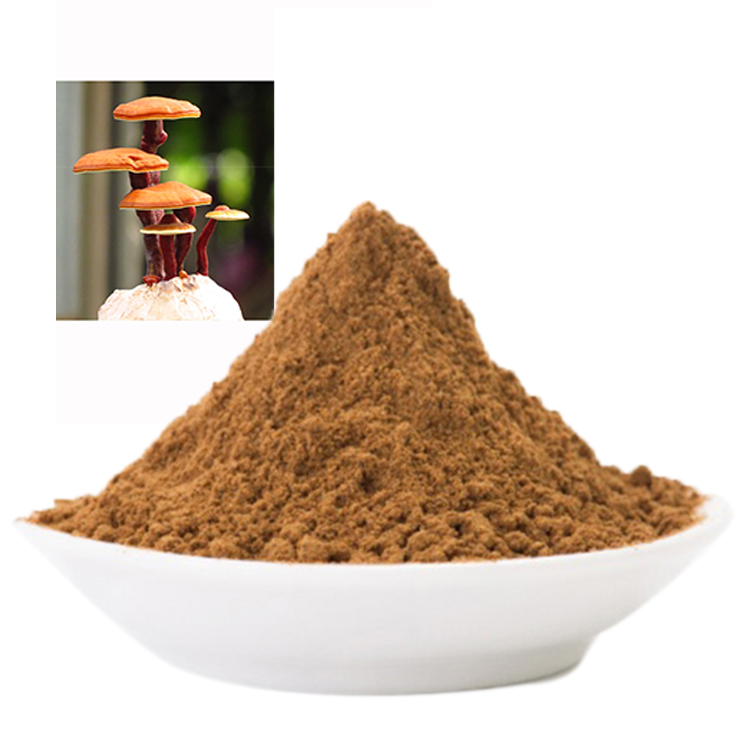
Reishi mushroom (Ganoderma lucidum), known as Lingzhi in Chinese, has journeyed through the centuries as a symbol of longevity, health, and spiritual power. Today, products such as USDA Certified Ganoderma Powder, Organic Mushroom Extract Powder, Organic Reishi Mushroom Powder, Ganoderma Extract Powder, and Organic Red Ganoderma Powder represent the cutting edge of this ancient remedy. But how did Reishi travel from mystical elixirs to standardized extracts found in modern supplements and foods? This article traces its fascinating history, cultural impact, and transformation into a globally recognized superfood.
1. Ancient Beginnings: Reishi in Traditional Medicine
Early Legends and Symbolism
Reishi first appears in Chinese historical records more than 2,000 years ago, particularly in Daoist texts and herbal compendiums. It was known as the “Mushroom of Immortality,” reserved for emperors, royalty, and sages. Ancient artwork and literature depict Reishi as a bridge between heaven and earth, believed to grant longevity, wisdom, and spiritual insight.
Use in Traditional Chinese Medicine (TCM)
Reishi (Lingzhi) was described in the Shennong Bencao Jing (Divine Farmer’s Classic of Materia Medica, circa 200 CE) as a “superior herb” for calming the spirit, nourishing life force (qi), and tonifying the heart, lungs, and liver. Formulations included teas, tinctures, and elixirs, often combined with other adaptogenic herbs. Collecting wild Reishi was rare and considered auspicious—its appearance was a good omen for entire villages.
Spread to Neighboring Cultures
Reishi’s use spread to Japan (as “Reishi” or “Mannentake”), Korea, and other parts of Asia, always with a strong association with health, resilience, and spiritual well-being.
2. Modern Science Meets Tradition: Extracts, Standardization, and Globalization
Scientific Rediscovery and Research
In the 20th century, as mycology advanced, scientists identified over 400 bioactive compounds in Reishi—especially polysaccharides and triterpenes. Laboratory and clinical studies confirmed Reishi’s potential for immune modulation, anti-inflammation, and stress adaptation.
Cultivation Innovations
Historically, Reishi was wild-harvested and rare. In the 1970s, Japanese researchers developed reliable cultivation methods on logs and later on organic substrates. This breakthrough made it possible to produce USDA Certified Ganoderma Powder and Organic Mushroom Extract Powder at scale, democratizing access to what was once an elite tonic.
The Birth of Modern Extracts
Dual extraction (hot water and alcohol) methods emerged to capture the full spectrum of Reishi’s actives—leading to potent products like Ganoderma Extract Powder and Organic Red Ganoderma Powder. Standardization of polysaccharide and triterpene content ensured consistent quality for global supplement markets.
3. Reishi in Today’s Wellness Revolution
Functional Foods and Beverages
Organic Reishi Mushroom Powder and related extracts are now common in coffees, teas, smoothies, chocolates, and snacks. Their mild flavor and health benefits make them attractive to food technologists and wellness brands worldwide.
Scientific Validation and Consumer Demand
Ongoing research explores Reishi’s effects on immunity, stress, sleep, cardiovascular health, and more. Products like USDA Certified Ganoderma Powder are certified organic, third-party tested, and widely trusted for purity and potency.
Sustainability and Future Outlook
Sustainable cultivation practices, transparent sourcing, and innovative processing ensure that modern Reishi supplements—Organic Mushroom Extract Powder, Organic Reishi Mushroom Powder, and others—are both environmentally responsible and accessible to all. As the market grows, education and quality assurance remain critical for preserving the mushroom’s reputation and potential.
4. Key Milestones in the Evolution of Reishi
200 BCE: Documented in China’s earliest herbal texts as a “superior herb.”
First Millennium: Integration into Daoist, Buddhist, and royal rituals as a spiritual and health tonic.
Early Modern Era: Popularization in East Asian folklore and the arts; featured in paintings, carvings, and literature.
1970s: Commercial cultivation methods established in Japan, transforming access to Reishi.
1990s–2000s: Rise of dual-extracted, standardized powders like Ganoderma Extract Powder.
2010s–Present: Explosion of functional foods and beverages featuring Reishi as a hero ingredient.
5. How to Choose Authentic, High-Quality Reishi Today
Certification and Purity
Look for USDA Certified Ganoderma Powder and certified organic options for clean, sustainable sourcing.
Extraction Method
Dual-extracted forms (e.g., Ganoderma Extract Powder, Organic Red Ganoderma Powder) deliver both polysaccharides and triterpenes.
Full-Spectrum Benefits
Organic Mushroom Extract Powder and Organic Reishi Mushroom Powder offer broad nutritional and adaptogenic benefits.
Transparent Sourcing
Reputable brands provide third-party testing and detailed sourcing information.
Conclusion
From mystical elixirs for emperors to rigorously tested wellness supplements, the story of Reishi spans millennia and cultures. Its evolution—culminating in innovative products like USDA Certified Ganoderma Powder, Organic Mushroom Extract Powder, Organic Reishi Mushroom Powder, Ganoderma Extract Powder, and Organic Red Ganoderma Powder—illustrates the marriage of ancient wisdom and modern science. As research continues and demand grows, Reishi remains a testament to the enduring power of natural remedies, adapted for contemporary life.
Read More:
Real Consumer Feedback on Ganoderma Extract: Honest Reviews & Global Insights
Thirty Days on Ganoderma Extract: What Changed in My Body?
Precautions and Contraindications When Taking Ganoderma Extracts: A Comprehensive Guide