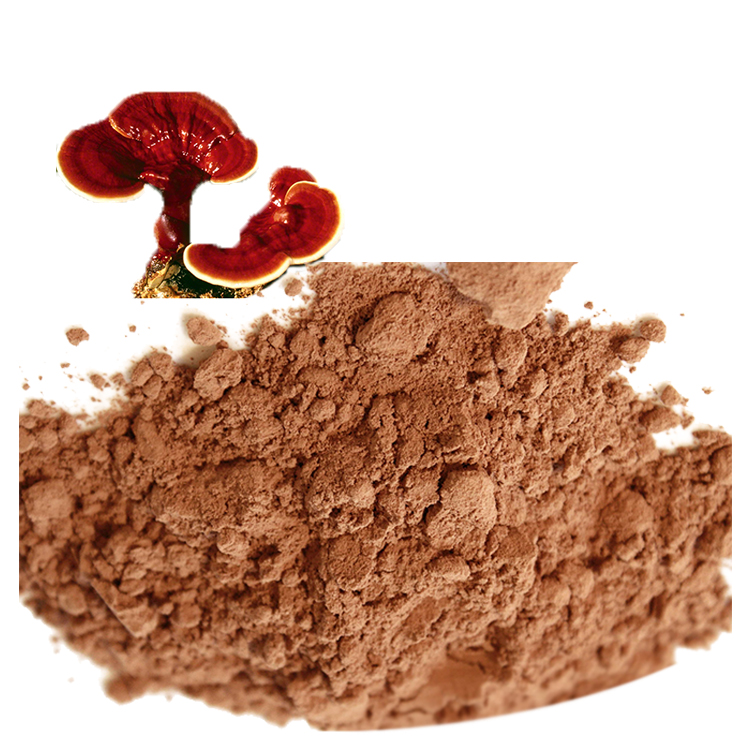
Ganoderma lucidum, also known as Lingzhi or Reishi mushroom, has been a cornerstone of traditional Asian medicine for centuries. Modern scientific research has revealed a rich profile of bioactive compounds in Ganoderma, notably polysaccharides and triterpenes, with broad health benefits. To maximize the therapeutic potential of these mushrooms, high-quality extracts are produced using advanced extraction technologies. This article examines and compares three leading extraction methods: water extraction, ethanol extraction, and supercritical CO2 extraction, guiding readers to understand the technical differences and application scenarios.
1. Water Extraction: The Classical and Reliable Method
Principle: Water extraction leverages the high solubility of Ganoderma polysaccharides in hot water. The raw mushroom material is typically dried, pulverized, and subjected to boiling or simmering for several hours. The liquid is then filtered, concentrated, and often spray-dried into powder.
Advantages:
Selective for Polysaccharides: Water extraction is the gold standard for isolating polysaccharides, which are considered among the main bioactive components for immune modulation and antioxidation.
Safety: The method uses only water, making the process safe and environmentally friendly, with no solvent residues.
Cost-Effectiveness: Equipment requirements are straightforward and cost is generally lower than for other extraction methods.
Limitations:
Limited Extraction Spectrum: Water extraction is not effective for extracting triterpenoids and other non-polar bioactives, which have additional therapeutic functions.
Thermal Degradation: Prolonged high-temperature processing can degrade heat-sensitive compounds, potentially affecting product potency.
Application: This method is most suitable for food supplements and functional foods emphasizing immune support and overall wellness, where polysaccharide content is prioritized.
2. Ethanol Extraction: Expanding the Bioactive Spectrum
Principle: Ethanol extraction uses aqueous ethanol solutions (typically 50-95% ethanol) to dissolve both polar and moderately non-polar compounds from Ganoderma lucidum. The process often follows water extraction in a sequential protocol, targeting triterpenes, sterols, and other small molecules.
Advantages:
Broad Extraction Capability: Ethanol efficiently extracts triterpenoids, ganoderic acids, and other bioactives not captured by water.
Adjustable Polarity: By adjusting ethanol concentration, manufacturers can fine-tune extraction for specific target compounds.
Higher Bioactivity: Many Ganoderma supplements aiming for hepatoprotective, anti-inflammatory, or anti-tumor effects rely on ethanol-extracted fractions.
Limitations:
Solvent Residues: Careful solvent removal is needed to meet safety standards, especially for dietary or pharmaceutical applications.
Cost and Environmental Considerations: Ethanol is more costly than water and requires recovery systems for sustainable, safe operation.
Potential Denaturation: Some sensitive compounds may be denatured by ethanol, although this is less pronounced than with hot water.
Application: Ethanol extraction is favored for nutraceutical products with a focus on triterpenoid content or broader therapeutic activities, often used in liquid tinctures and capsules.
3. Supercritical CO2 Extraction: Precision and Purity
Principle: Supercritical fluid extraction (SFE) uses carbon dioxide (CO2) at high pressure and moderate temperature to act as a solvent. By adjusting temperature and pressure, CO2’s solvating power can be tailored to extract a specific range of non-polar and slightly polar compounds from Ganoderma lucidum.
Advantages:
High Selectivity: Supercritical CO2 efficiently extracts triterpenoids and lipophilic compounds with minimal polysaccharide content, allowing precise targeting of bioactives.
No Toxic Residues: CO2 is non-toxic, and the process leaves no solvent residues, producing a clean, food-grade extract.
Mild Conditions: The lower processing temperatures protect heat-sensitive compounds, preserving the full spectrum of actives.
Environmentally Friendly: CO2 can be recycled within the system, offering a green extraction solution.
Limitations:
Equipment Complexity: Supercritical extraction requires high-pressure equipment, increasing initial investment and operational complexity.
Limited Polysaccharide Extraction: As a non-polar solvent, CO2 is ineffective for extracting water-soluble polysaccharides unless combined with a co-solvent like ethanol.
Scale-up Challenges: While scalable, the process is more commonly used for premium, high-purity extracts due to cost.
Application: Supercritical CO2 extraction is best for producing high-purity, high-value Ganoderma extracts rich in triterpenes, widely used in pharmaceutical, cosmetic, and premium supplement industries.
4. Quality Control and Standardization
Regardless of extraction method, rigorous quality control is essential. Each batch should be tested for active ingredient content (e.g., polysaccharides, triterpenes), potential solvent residues, heavy metals, and microbial contamination. Extraction yield, consistency, and bioactivity assays ensure that products meet international standards and are suitable for global markets.
5. Market Trends and Choosing the Right Extraction Method
The global demand for Ganoderma extract is rising, driven by the functional food, dietary supplement, and pharmaceutical sectors. The extraction method determines not only the spectrum and potency of bioactive compounds but also product positioning and regulatory compliance.
Water Extraction dominates in the Asian traditional medicine and health food sectors.
Ethanol Extraction is widely adopted by nutraceutical manufacturers seeking multi-functional extracts.
Supercritical CO2 Extraction is chosen by companies aiming for premium-grade products with maximum purity and bioactivity.
Ganoderma extract, Ganoderma lucidum extract, Lingzhi extract, and Reishi mushroom extract are terms often used interchangeably, but their true value lies in the quality of the extraction process and the resultant bioactive profile.
Conclusion
In summary, the optimal extraction method for Ganoderma lucidum depends on the target compounds, application field, and market requirements. Water extraction offers safety and cost-effectiveness for polysaccharide-rich products; ethanol extraction provides a broader spectrum for enhanced bioactivity; supercritical CO2 extraction delivers unmatched purity for triterpene-rich, high-value applications. Manufacturers and researchers should select their extraction strategy based on product goals, regulatory context, and consumer demand, ensuring the final Ganoderma extract meets the highest standards of safety, efficacy, and quality.
Read More:
Real Consumer Feedback on Ganoderma Extract: Honest Reviews & Global Insights
Thirty Days on Ganoderma Extract: What Changed in My Body?
Precautions and Contraindications When Taking Ganoderma Extracts: A Comprehensive Guide