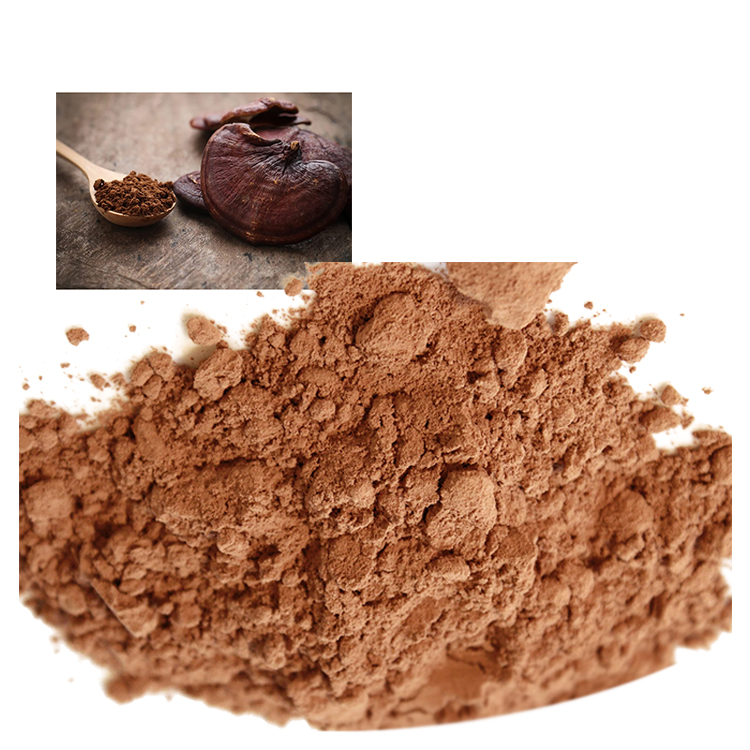
The global popularity of Ganoderma lucidum, widely known as Lingzhi or Reishi mushroom, has created a thriving market for mushroom extracts. However, with expanding demand comes a proliferation of products with widely varying quality. For health brands, manufacturers, and procurement professionals, ensuring the authenticity and potency of Ganoderma extracts is paramount—not only for product efficacy but also for regulatory compliance and brand reputation. This guide presents a systematic, professional approach to identifying high-quality Ganoderma extracts and avoiding the common pitfalls encountered during sourcing.
1. Understanding the Value of Ganoderma Extract
Ganoderma lucidum extract is prized for its rich content of polysaccharides, triterpenes, and other bioactive compounds with demonstrated benefits for immune regulation, antioxidant activity, and overall health. High-quality extracts must preserve the full spectrum and potency of these active ingredients, making quality control critical at every stage of production.
2. Key Quality Markers for Ganoderma Extract
A. Polysaccharide Content
Polysaccharides are the signature compounds of Ganoderma, supporting immune health and antioxidative defense. Top-grade products specify the percentage of polysaccharides (often 10-50%) and provide lab certificates (COAs) for verification.
B. Triterpene Content
Triterpenes, including ganoderic acids, are responsible for many of the adaptogenic and anti-inflammatory properties of Reishi mushroom extract. A premium product will state its triterpene content and pass independent quantitative analysis.
C. Purity and Safety
A high-quality Lingzhi extract is free from heavy metals, pesticides, microbial contamination, and solvent residues. Always review independent third-party test reports to confirm absence of contaminants.
D. Identification and Authenticity
DNA barcoding, high-performance liquid chromatography (HPLC), and other modern analytical techniques confirm the mushroom species and authenticate the extract. The term “Ganoderma extract” should refer exclusively to Ganoderma lucidum, not to other, less-studied species.
3. Essential Questions to Ask Suppliers
Before committing to a supplier, consider these crucial queries:
What is the country of origin for the raw material?
Which extraction method is used (water, ethanol, supercritical CO2, or others)?
What are the guaranteed levels of polysaccharides and triterpenes?
Can you provide up-to-date certificates of analysis from independent labs?
What measures are taken to prevent contamination during cultivation and processing?
Is the product tested for authenticity (e.g., DNA, HPLC fingerprinting)?
4. Lab Testing and Product Verification
A. Certificates of Analysis (COA): A reliable COA from a third-party laboratory should include quantitative data on polysaccharides, triterpenes, moisture content, and safety screenings. Check that the COA is recent and that the lab is reputable.
B. Independent Batch Testing: For large purchases, consider commissioning independent batch testing, especially if buying from new or overseas suppliers.
C. HPLC and DNA Barcoding: HPLC can profile active compounds and detect adulteration, while DNA barcoding ensures species authenticity.
5. Supplier Auditing and Site Visits
A. Facility Audit: Whenever possible, audit the supplier’s facility or request a virtual tour. Key audit points include cleanliness, traceability, GMP compliance, and equipment sophistication.
B. Supply Chain Transparency: A trustworthy supplier can trace every lot from raw mushroom cultivation through extraction and packaging, providing documentation at each stage.
6. Avoiding Common Sourcing Pitfalls
A. Mislabeling and Adulteration: Some products labeled as Ganoderma or Reishi mushroom extract may be blended with lower-quality fungi or even contain undeclared starch or maltodextrin. Only select suppliers who conduct identity and purity testing.
B. Inconsistent Quality: Seasonal changes, different batches, and varied extraction protocols can lead to inconsistencies in product quality. Choose suppliers with robust quality management systems and batch records.
C. Unrealistic Pricing: If the price seems too good to be true, it probably is. Authentic, high-potency Ganoderma extracts are expensive to produce, and low prices may signal dilution, adulteration, or poor-quality materials.
D. Lack of Regulatory Compliance: Ensure the extract complies with your market’s safety and labeling regulations, such as FDA, EFSA, or China’s State Food and Drug Administration.
7. Practical Steps for Effective Procurement
Shortlist Suppliers based on market reputation, years in operation, and ability to provide comprehensive documentation.
Request Samples and have them independently analyzed for active compounds, contaminants, and authenticity.
Negotiate Clear Specifications for every order, including minimum active ingredient content, safety standards, and batch-to-batch consistency.
Establish Long-Term Partnerships with reliable suppliers, securing stable quality and supply for your business.
8. Case Study: Sourcing for a Premium Health Brand
A US-based health supplement company sought a Ganoderma lucidum extract with >30% polysaccharides and >2% triterpenes, GMO-free and certified organic. After auditing multiple suppliers, only a handful provided comprehensive documentation, full traceability, and independent test reports. The successful supplier also provided video proof of facility operations and offered regular batch sample submissions, helping the buyer avoid issues of adulteration and variability.
9. The Role of Reputable Certifications
Look for products certified organic, GMP, or verified by international third parties. These certifications demonstrate a higher level of commitment to product safety and consistency.
10. Conclusion
The market for Ganoderma extracts is vast and complex. However, by focusing on key quality indicators, demanding independent verification, and cultivating transparent supplier relationships, buyers can avoid common pitfalls and secure extracts that truly deliver health benefits.
Ganoderma extract, Ganoderma lucidum extract, Lingzhi extract, and Reishi mushroom extract represent not just marketing terms, but a standard of quality and efficacy that depends on rigorous sourcing practices.
Read More:
Real Consumer Feedback on Ganoderma Extract: Honest Reviews & Global Insights
Thirty Days on Ganoderma Extract: What Changed in My Body?
Precautions and Contraindications When Taking Ganoderma Extracts: A Comprehensive Guide